
 Sydney - Kingsgrove, NSW
 Melbourne - Clayton, VIC

Nitrogen plays an important role in SLS 3D printing by reducing powder exposure to oxygen inside the build chamber.
This helps limit powder oxidation and degradation, allowing more unsintered powder to be reused while maintaining better material consistency across production runs.
This article explains why an inert build environment matters, how it supports Nylon PA11 and PA12 powder refresh rates, and what it means for part quality and operating cost.
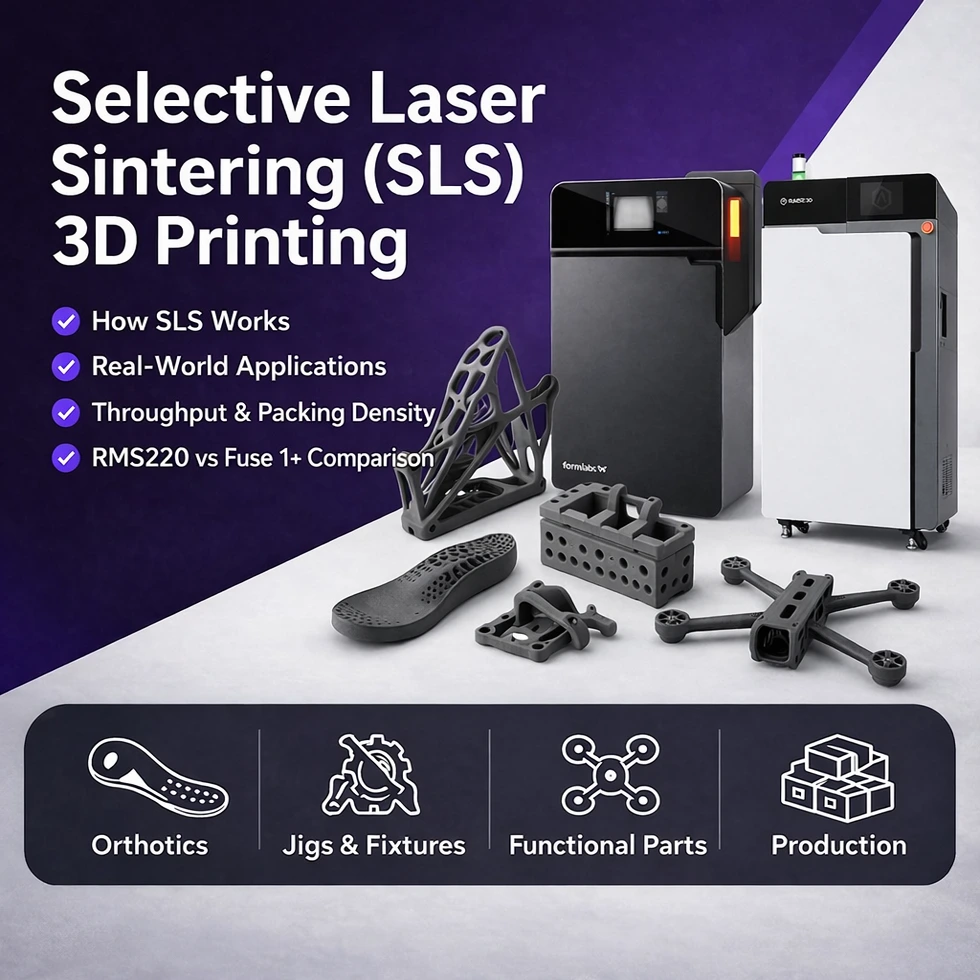
A real-world look at SLS 3D printing, focusing on throughput, packing density and production workflows. Includes applications across orthotics, manufacturing and product design, plus RMS220 vs Fuse 1+ comparison.
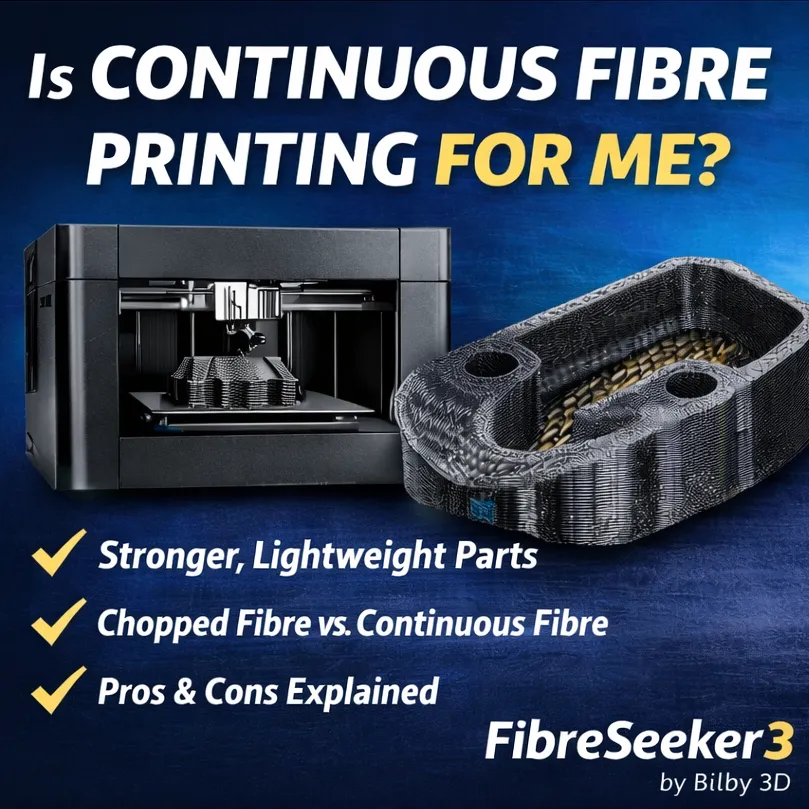
Discover how continuous fibre 3D printing compares to chopped fibre filaments and engineering plastics.
This article breaks down the pros, cons, and ideal applications. We look at the FibreSeeker3, an open-materials CFC printer disrupting the Markforged model.
Perfect for SMBs exploring high-strength, lightweight parts. Parts that are stronger, lighter and cheaper than Aluminium are now affordable.
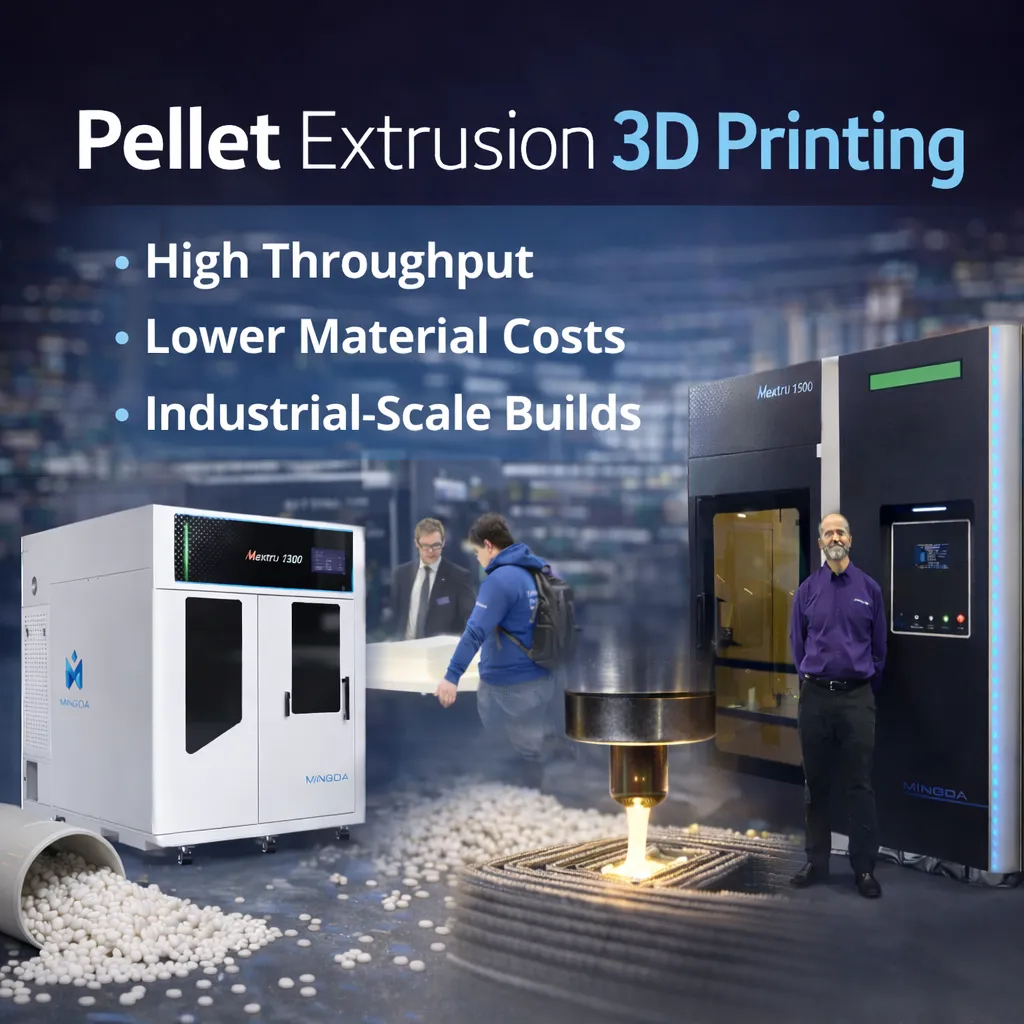
Pellet-based extrusion brings industrial-scale Additive Manufacturing within reach—offering dramatically higher throughput,
reduced material costs, and the freedom to use a broad range of thermoplastics.
This article introduces the fundamentals of pellet extrusion (MEX), compares leading machines like the Mingda Mextru1300 and 3D Systems EXT Titan, and outlines what users need to know about workflow, installation, and production readiness.
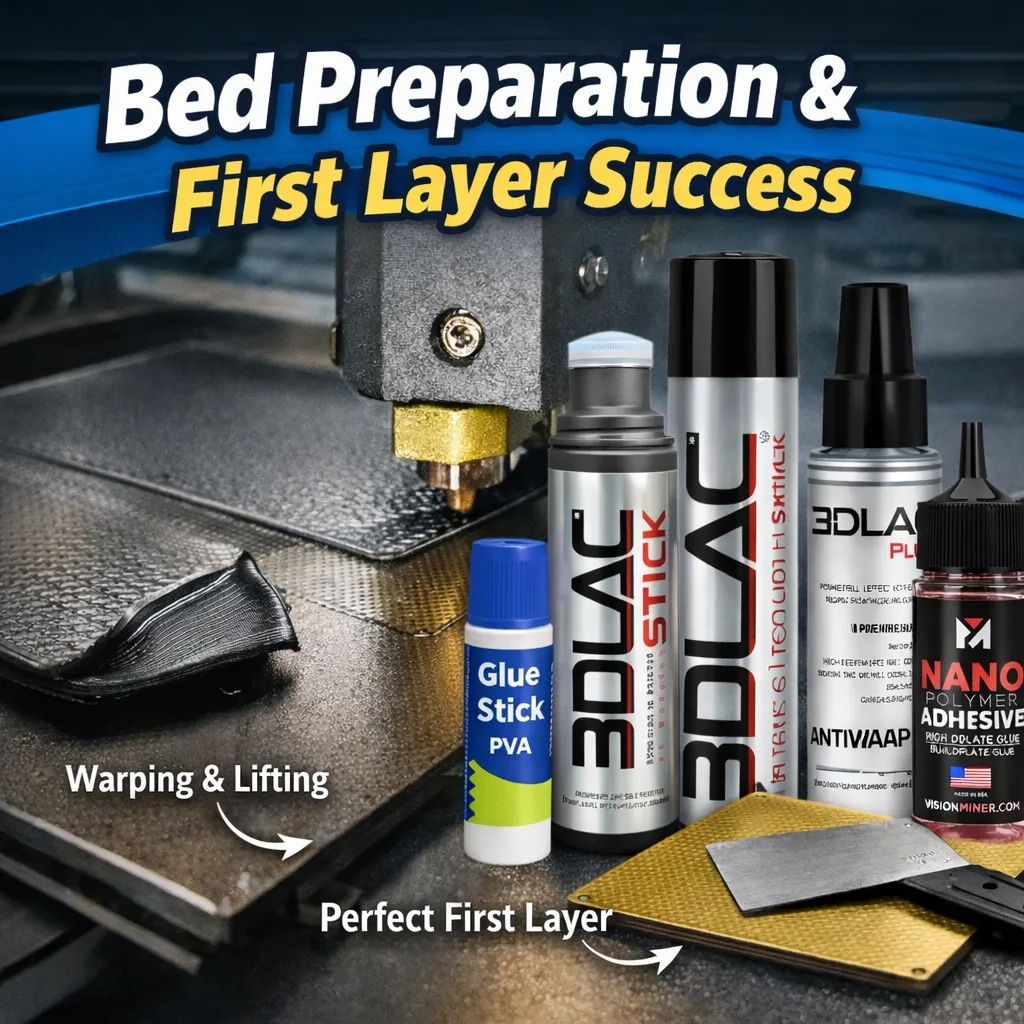
The first layer is the foundation of every successful print.
Poor adhesion leads to warping, lifting, failed supports, or complete detachment — no matter how well your slicer is tuned or your filament is dried.
This guide covers everything you need to know to get that first layer down right, every time.

Whether you're printing classroom prototypes, end-use parts, or engineering samples, moisture in filament is one of the most common—and most misunderstood—causes of print failures.
From surface quality to part strength and dimensional accuracy, keeping your filament dry is critical to achieving consistent results.

As the Additive Manufacturing sector enters 2026, the landscape looks markedly different from even a year ago.
Turbulence in 2025 reshaped competitive dynamics and accelerated adoption in key industrial applications.
We make some predictions for 2026 based on recent Australian economic data, and what we found at FormNext for the coming year.

Your Mingda MD-1000D can do more than print big — it can revolutionise your workflow.
Discover 5 powerful ways to unlock its large format and carbon fiber 3D printing
potential, cut costs, and accelerate your return on investment with Bilby3D’s proven expertise.


